
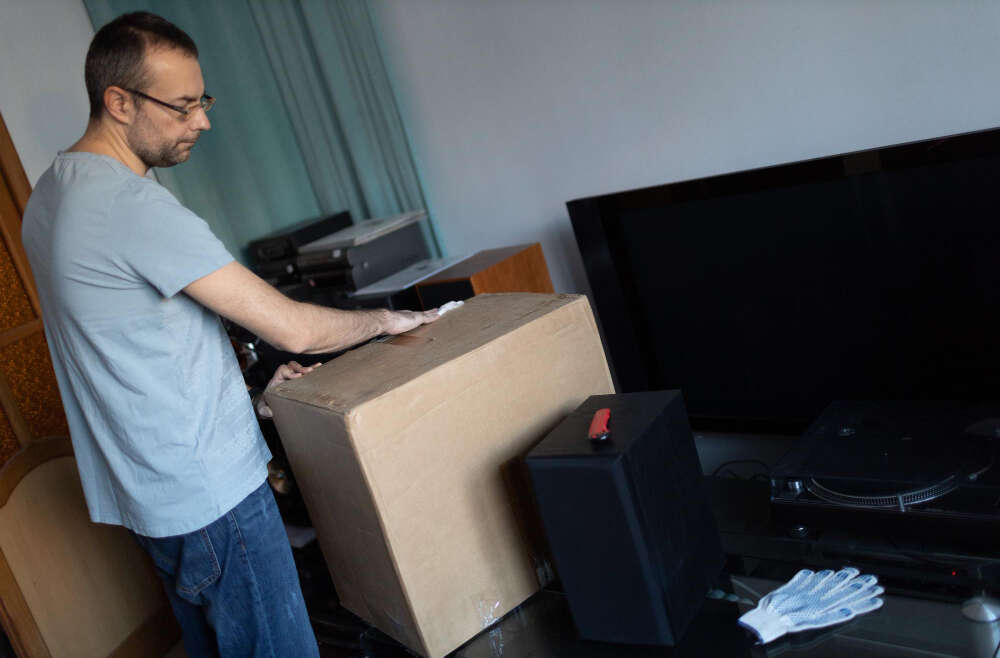
Electronics are expensive and fragile, and accidental damage to electronics can be expensive and inconvenient. This is where proper packing is essential, so you can prevent accidents.
Why Electronics Require Special Care
Your device can get easily damaged without proper packaging, like screen damage, but there’s more than just that. They are vulnerable to static and heat because of how they’re made and operate. The device can still turn on, but it doesn’t last as long or later has unstable performance. Electronics are not cheap to replace, with common repairs costing anywhere from $80 to hundreds of dollars, depending on the device (How Much Does Laptop Repair Cost In 2026?).
Gather the Right Packing Supplies
If you still have them, pack your devices in their original boxes. This alone provides some protection, but also packing them in anti-static bubble wrap and inside a sturdy box helps with protection (Packaging Tips). Additionally, packing paper is simple but effective. It wraps items without scratching screens or surfaces, and adds a buffer layer between the components and the box.
How to Pack Different Types of Electronics
(Guide to packaging and securely shipping electronics)
TVs and Monitors
For TVs and monitors, be sure to use their original packaging or packaging made specifically for a TV or monitor. To ensure the screen does not get damaged, cover the screens with soft cloth or foam. After doing all of this, keep the TV or monitor upright during transport and make sure it does not get knocked down.
Computers and Laptops
Packaging computers and laptops is a bit different, but still important to avoid damage. Remove all accessories from the device, and wrap it in anti-static materials like bubble wrap. To ensure protection, use a padded laptop sleeve or box.
Gaming Consoles & Small Devices
Disconnect all cables, remove discs, and wrap it securely in bubble wrap or anti static materials to prevent scratches or damage. Keep it in a sturdy box, and fill gaps with bubble wrap or cloth to prevent movement. Label the box as fragile.
Organize and Protect Cables
Cables are the one of the easiest things to lose or mix up with other cables. Use masking tape, stickers, or labels to write on to label what each cable is. If possible, label both ends to make it even easier (How To Tidy The Computer Cables Under Your Desk). Taking a photo of the set up before disconnecting it helps a lot for when you need to put it back together again. Once labeled, gently wrap the cables to keep them neat and secure. For smaller items, like remotes or batteries, keep them in a labelled bag all together. Disorganized cables can lead to lost or missing cords, damaged connectors, and confusing and time consuming set up.
Common Mistakes While Packing Electronics
It is common for people to ignore filling all the voids in the box with packing material like bubble wrap. But during a move, there is a lot of movement and activity, which can lead to your device breaking. Improper packing or materials can lead to broken screens, damaged ports, or electrical failures. Neglecting the importance of organizing cables too causes lots of confusion when it comes to the time to unpack everything.
Transport Tips for Electronics
Avoid extreme temperatures, as it can cause your device to become sluggish, damage to your battery, causing temporary effects. Secure your boxes to prevent shifting, and keep the boxes with you if possible.
Let Professionals Handle It
Hiring professionals to do the job for you not only makes it easier, but makes your packages less likely to take on damage. We are trained in handling fragile electronics, and use proper packing techniques to make sure your devices are protected throughout the entire move. Call us today at 702-678-6683 or contact us here to ensure no damage for your devices!